
For too long, sustainability has sometimes been presented as something that comes with a premium price tag.
New technology, expensive systems, major renovations and products marketed as “eco-friendly” can leave people wondering whether doing the right thing for the environment is simply too expensive.
But it doesn’t have to be that way.
Some of the most effective sustainable solutions are not complicated at all. They are often about looking at the resources we already have and finding a better way to use them.
Water is a perfect example.
We collect enormous quantities of rainwater and stormwater, allow much of it to run away into drains and waterways, and then spend enormous amounts of money treating and pumping mains water back into our homes and gardens.
There has to be a better way.
The question isn’t necessarily how much new technology we can introduce.
The better question is:
How can we use what we already have more intelligently?
That philosophy was one of the reasons Tankless was developed.
Rather than looking at an underground water tank as simply a large container buried in the ground, Tankless looks at the space beneath our homes, gardens and driveways as an opportunity to store water where it can be useful without sacrificing valuable surface space.
A sustainable idea is only as good as its ability to work in the real world.
If a system is too expensive, too complicated to install, difficult to maintain or unsuitable for ordinary properties, widespread adoption becomes difficult.
That’s why affordability and practicality matter just as much as environmental credentials.
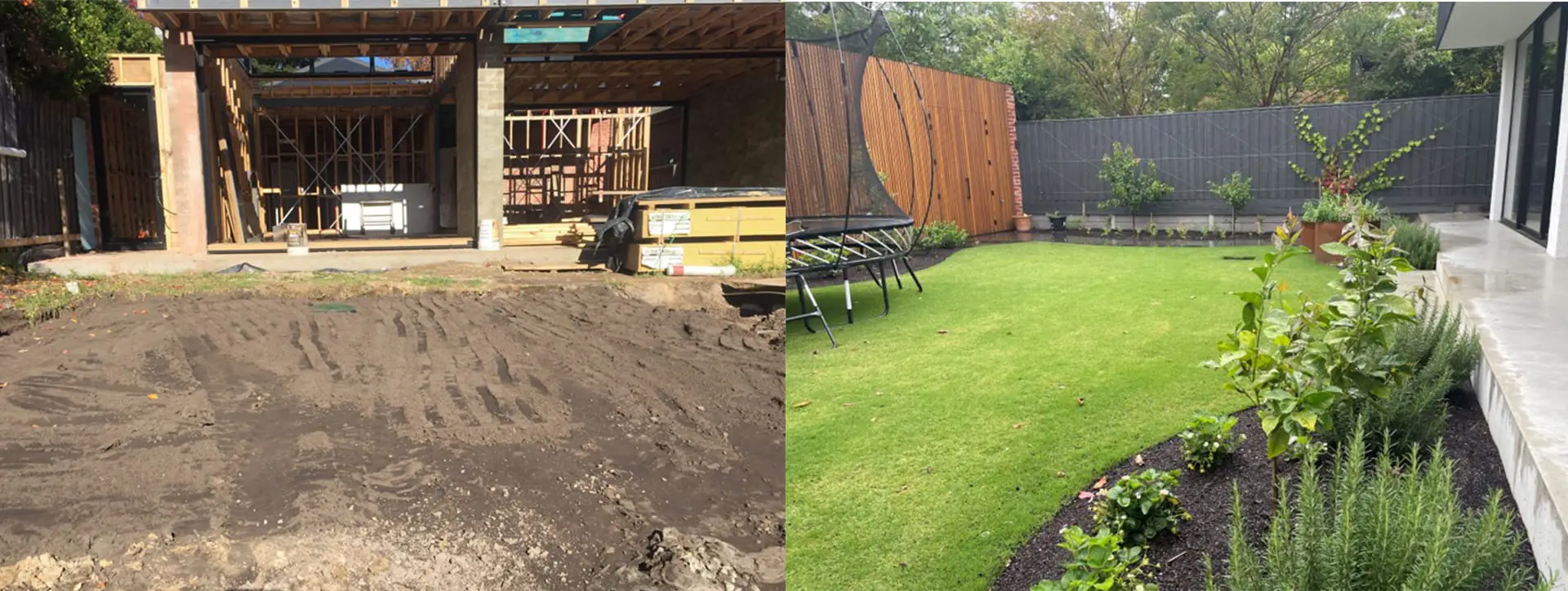
Over the years, Tankless has been installed in backyards, front yards and beneath driveways, providing substantial underground water storage while allowing the surface area above to continue being used.
The idea is simple:
Store water underground.
Keep the surface permeable & usable.
Reduce reliance on mains water.
Make better use of rainfall.
Sometimes the simplest ideas are the ones that make the most sense.
There is another misconception worth challenging.
We often think that if something is sustainable, it must involve the latest technology or a significant investment.
But sustainability can also mean:
- using less of a valuable resource
- reusing something that would otherwise be wasted
- making an existing product work more efficiently
- designing something to last
- reducing ongoing operating costs
- using available space more intelligently
These principles can apply to water, energy, landscaping, building materials, irrigation and many other areas of everyday life.
The environmental benefit becomes even more powerful when the solution also makes financial sense.
Saving water is good for the environment. Saving money is good for the household. When you can achieve both, sustainable choices become much easier to adopt.
For sustainable products to have a meaningful impact, they need to move beyond being products for a small group of environmentally conscious consumers.
They need to become normal.
That means sustainable products need to compete on more than their environmental credentials.
They need to be useful, affordable, reliable and practical.
People shouldn’t have to choose between looking after the environment and looking after their household budget.
The best solutions can do both.
Tankless was developed from a simple observation: there is an enormous amount of unused space beneath the ground around our homes.
Why not use that space to store water?
Over many years and many installations, the concept has continued to evolve.
The system uses underground space to create substantial water storage while retaining the use of the land above it. It can be incorporated into areas where a conventional tank would be impractical or would take up valuable space.
But perhaps the most important part of the Tankless story isn’t the product itself.
It’s the thinking behind it.
Don’t waste what we already have.
Don’t use more resources than necessary.
Look for practical solutions.
And make sustainability accessible to more people.
I believe the future of sustainability isn’t necessarily about making everything more sophisticated.
It is about making sustainable choices easier.
A homeowner shouldn’t need to be an environmental engineer to understand how a product can save water.
A sustainable solution shouldn’t require a lifestyle overhaul.
And doing something positive for the environment shouldn’t automatically mean paying a premium.
The most successful sustainable products will be the ones people choose because they make economic and practical sense, with the environmental benefit coming as an added advantage.
That is where sustainability can become more than a trend.
It can become everyday common sense.
It should be affordable, practical and available to everyone.
And perhaps that’s where the next generation of sustainable products needs to begin.
Tankless — Smart. Safe. Sustainable.